
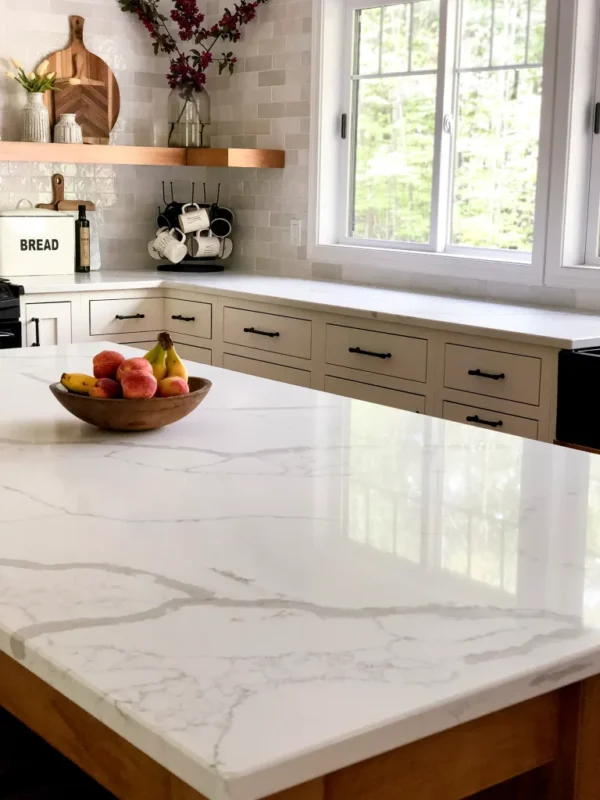
Natural stone countertops are among the most popular upgrades in Canadian homes, prized for their durability, natural beauty, and long term value. Materials like granite, marble, quartzite, and onyx add character that engineered surfaces simply cannot replicate. However, natural stone is also a natural material, which means it behaves differently than manufactured products and requires informed decisions at every stage, from selection to daily care.
Many homeowners across Canada invest in premium stone countertops only to make avoidable mistakes that shorten their lifespan, dull their appearance, or lead to costly repairs. Understanding these common pitfalls before you buy, install, or maintain your countertops can save significant time and money.
This guide walks through the seven most common mistakes homeowners make with natural stone countertops and practical ways to avoid them, based on years of fabrication and installation experience serving the Canadian market.
1. Choosing the Wrong Stone for the Application
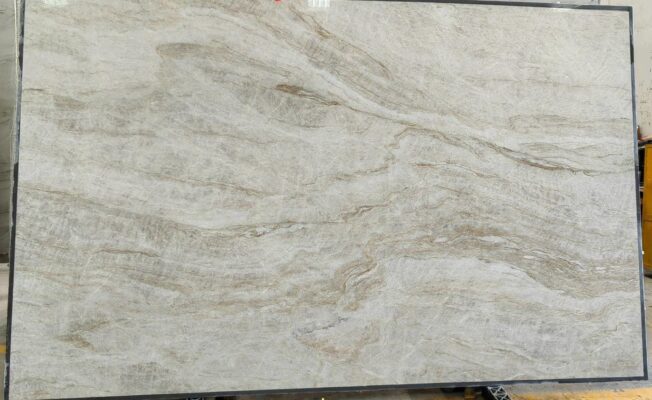
Not all natural stone is created equal, and one of the biggest mistakes homeowners make is selecting a material based on appearance alone without considering how and where it will be used.
Marble, for example, is a stunning choice for bathroom vanities, fireplace surrounds, or low traffic accent surfaces, but its calcium carbonate composition makes it more prone to etching from acidic substances like lemon juice, wine, or vinegar. Installing polished marble on a busy kitchen island where cooking happens daily can lead to visible etch marks within weeks.
Granite and quartzite, by contrast, are significantly harder and more resistant to acids and scratching, making them better suited for high use kitchen countertops. Onyx and semi precious stones bring dramatic veining and even backlit effects, but their softness and porosity mean they typically work best as accent pieces rather than primary work surfaces.
Before choosing a slab, homeowners should think honestly about how the space will be used. A family that cooks frequently and uses acidic ingredients needs a different material than someone furnishing a guest bathroom. Suppliers and fabricators with Canadian project experience can help match stone type, finish, and sealing schedule to the room’s actual demands rather than just inspiration photos.
Table 1: Recommended Stone Types by Application (Canadian Homes)
| Application | Recommended Stone | Durability Notes |
| Kitchen Countertops | Granite, Quartzite | High scratch and heat resistance |
| Kitchen Island (Heavy Use) | Granite, Quartzite | Best for daily acid and heat exposure |
| Bathroom Vanities | Marble, Onyx | Lower traffic allows softer stone |
| Fireplace Surrounds | Marble, Semi-Precious | Decorative focus, minimal contact |
| Outdoor Kitchens | Granite | Must be rated for freeze thaw cycles |
2. Skipping or Delaying Sealing
Many natural stones are porous, meaning they can absorb liquids if left unprotected. Skipping the sealing process, or waiting too long between resealing treatments, is one of the most common and most damaging mistakes homeowners make.
An unsealed or under sealed countertop is vulnerable to staining from oil, wine, coffee, and even water, which can leave dark rings or permanent discoloration in porous stones like marble and some granites. In Canada’s dry winter climate, sealed stone also better resists the moisture fluctuations that come with indoor heating systems.
Sealing frequency depends on the stone type and how it is used. Granite and quartzite countertops generally need resealing every 1 to 2 years under normal household use, while more porous stones like marble and limestone may require sealing every 6 to 12 months. A simple water test, placing a few drops of water on the surface and watching whether it beads or absorbs within a few minutes, can indicate whether resealing is due.
Homeowners should ask their fabricator which sealant was used at installation and request a recommended resealing schedule specific to their stone. Skipping this step is often the single biggest reason a beautiful countertop starts to look worn within just a few years.
See more:
Natural Stone for Bathrooms Luxury Wall Cladding & Floor Tile Ideas
3. Using the Wrong Cleaning Products
Natural stone requires gentler care than many homeowners expect. A common mistake is treating stone countertops the same way as laminate or tile, using harsh, acidic, or abrasive cleaning products that slowly damage the surface.
Common household cleaners containing vinegar, lemon, ammonia, or bleach can etch or dull the finish of marble, limestone, and even some granites over time. Abrasive scouring pads and powders can create fine scratches that dull a polished finish and make the surface more prone to staining.
| Quick Care Tips
• Use a pH neutral stone cleaner applied with a soft microfiber cloth • For daily cleanup, warm water with a small amount of mild dish soap is usually enough • Wipe spills promptly, especially acidic substances like citrus, tomato sauce, and wine • Check labels carefully, since some all purpose cleaners still weaken sealants over time |
4. Ignoring Proper Support and Overhang Requirements
Natural stone is heavy and rigid, which means unsupported overhangs, particularly on kitchen islands and peninsulas, are a common source of cracking. Homeowners sometimes request large waterfall edges or extended bar overhangs without accounting for the additional support structure required.
As a general guideline, overhangs beyond roughly 25 to 30 centimetres typically require corbels, brackets, or steel support bars underneath to prevent flexing and stress cracks, especially with thinner slab profiles. Thinner engineered products may also need additional plywood backing depending on the application.
This is particularly important in Canadian homes with open concept kitchen islands, where a long unsupported overhang is a popular design feature. Without proper support, the natural weight of the stone combined with everyday use, such as someone leaning on the edge, can cause a crack to develop, sometimes months after installation.
A qualified fabricator will assess overhang length, slab thickness, and stone type before installation and recommend appropriate bracing. Homeowners planning a large island or bar overhang should raise this early in the design process rather than after the layout is finalized, since retrofitting support after installation is far more difficult and costly.
5. Underestimating Heat and Impact Sensitivity
While natural stone is generally heat resistant compared to many other countertop materials, it is not indestructible, and a common mistake is assuming any hot pan or dish can go directly onto the surface without consequence.
Sudden and extreme temperature changes, such as moving a pot directly from a stovetop burner onto cold stone, can cause thermal shock, leading to small cracks over time, particularly in stones with natural fissures like some marbles and quartzites. Similarly, dropping heavy or sharp objects can chip edges, especially on polished finishes where the damage is more visually noticeable.
Using trivets or heat pads for hot cookware and cutting boards for food preparation protects both the stone’s surface and its long term integrity. Edge profiles that are more rounded, such as bullnose or half bullnose, also tend to chip less easily than sharp eased edges in high traffic kitchens.
Educating everyone in the household about these habits, not just the person who chose the stone, helps prevent avoidable damage. A few simple precautions extend the life of the surface considerably compared to treating it as an indestructible material.
6. Poor Template and Measurement Practices
Accurate measuring and templating are essential steps that are sometimes rushed or skipped by inexperienced installers, leading to poorly fitted countertops, visible seams in awkward locations, or sink and cooktop cutouts that do not align properly.
Professional fabricators typically use laser templating or precise physical templates taken after cabinets are installed, not before, to account for real world variations in cabinetry and walls. Measuring too early, before cabinets are finalized, is a common cause of ill fitting slabs that require costly on site adjustments.
Seam placement also matters both functionally and visually. A well planned layout minimizes the number of seams and positions them in less visible areas, such as away from sinks or focal points, while also accounting for the slab’s natural veining so patterns flow naturally across the seam.
Homeowners should ask their supplier how templating will be handled and at what stage of the renovation it will occur. Reviewing a slab layout plan before fabrication, when possible, allows for adjustments to seam placement and vein matching before the stone is cut, avoiding surprises on installation day.
7. Neglecting Professional Installation and Fabrication Standards
Perhaps the most consequential mistake is hiring installers without proper experience in natural stone fabrication in an effort to save on cost. Natural stone is unforgiving of fabrication errors. Improperly cut edges, poorly sealed seams, or inadequate leveling during installation can all lead to long term structural and aesthetic issues.
Experienced fabricators use specialized equipment, including CNC cutting tools and diamond blade saws, to achieve precise cuts and polished edges that manual cutting cannot replicate. They also understand how to properly level countertops on cabinetry, which is critical since even slight unevenness can put uneven stress on the slab and cause cracking over time.
Working with a supplier and fabricator who has specific experience with the Canadian market is also valuable, since regional factors such as seasonal humidity changes, indoor heating during winter months, and local building codes can all affect how stone should be installed and maintained.
Before hiring a fabricator, homeowners should ask to see examples of previous work, confirm warranty terms, and understand what is included in the installation, such as sealing, edge finishing, and cleanup. A slightly higher upfront cost for experienced professional installation is almost always less expensive than repairing or replacing improperly installed stone down the line.
See more:
Final Thoughts
Natural stone countertops remain one of the most rewarding investments a Canadian homeowner can make, offering timeless beauty and exceptional durability when chosen, installed, and maintained correctly. Most of the issues homeowners encounter, from etching and staining to cracked overhangs, stem from a handful of avoidable mistakes rather than any inherent flaw in the material itself.
By selecting the right stone for each application, committing to a regular sealing schedule, using appropriate cleaning products, ensuring proper structural support, practicing basic heat and impact precautions, insisting on accurate templating, and working with experienced fabricators, homeowners can enjoy natural stone surfaces that look beautiful for decades.
Frequently Asked Questions
How often should natural stone countertops be sealed in Canada?
Most granite and quartzite countertops need resealing every 1 to 2 years, while more porous stones like marble typically require sealing every 6 to 12 months, though this can vary based on the specific stone and usage.
Can I use vinegar based cleaners on my natural stone countertop?
No. Vinegar and other acidic cleaners can etch and dull marble, limestone, and some granites over time. Use a pH neutral stone cleaner instead.
Is granite or quartzite better for a busy Canadian kitchen?
Both are excellent choices for high traffic kitchens due to their hardness and resistance to scratching and heat, making them more forgiving than softer stones like marble for daily cooking use.
How do I know if my countertop overhang needs extra support?
As a general rule, overhangs beyond approximately 25 to 30 centimetres typically require corbels or support brackets underneath, though this depends on slab thickness and stone type, so consult your fabricator during design.
What is the biggest mistake homeowners make with natural stone countertops?
Choosing a stone based on appearance alone, without considering how the space will actually be used, is one of the most common and consequential mistakes, often leading to premature staining, etching, or damage.
| Ready to Choose the Right Natural Stone Countertop?
Vietcan Stone supplies and fabricates premium granite, marble, quartzite, and engineered stone surfaces for homeowners, designers, and contractors across Canada. Contact our team today for expert guidance on stone selection, professional installation, and long term care. www.vietcanstone.com |
Natural stone
Natural stone
Natural stone
Natural stone
Natural stone
Natural stone
Natural stone
Natural stone
Natural stone
Natural stone 


