
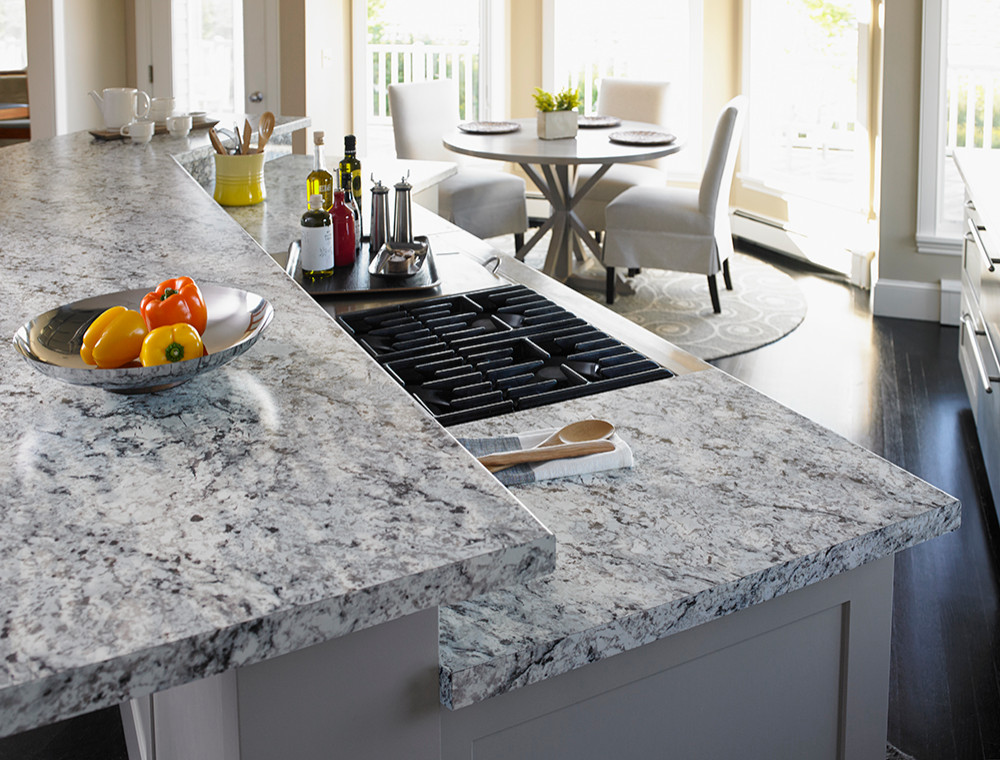
Granite has been a fixture in Canadian kitchens for decades, and it remains one of the most requested countertop materials among homeowners, builders and renovators from Vancouver to Halifax. But not all granite is created equal. Slabs vary widely in mineral composition, color, hardness, porosity and finish, which means the best granite for one kitchen may be the wrong choice for another. This guide walks through the granite types, finishes and practical factors that matter most when selecting a slab for a Canadian home, so you can make a decision backed by facts rather than showroom impressions alone.
Whether you are renovating a century home in Toronto, building new in Calgary, or upgrading a condo kitchen in Montreal, understanding how granite performs in real conditions, including our cold winters and dry indoor heating seasons, will help you choose a slab that looks good and lasts.
Why Granite Remains a Top Choice for Canadian Kitchens
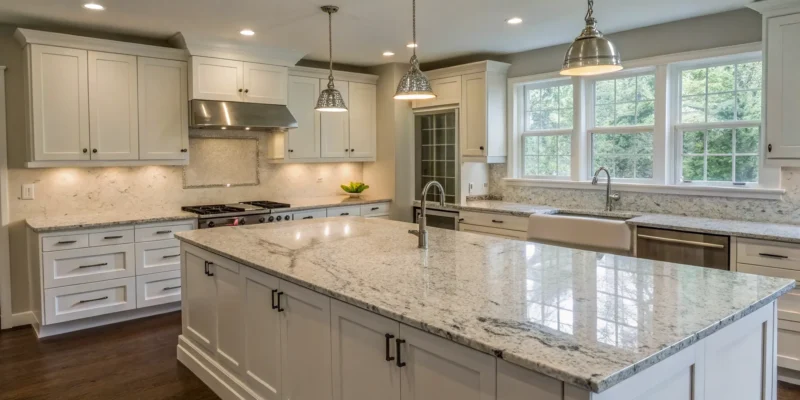
Granite is an igneous natural stone formed from cooled magma, which gives it a crystalline structure of quartz, feldspar, mica and other minerals. This composition makes it naturally hard, heat resistant and highly resistant to scratching, which is why it has remained popular even as engineered quartz has grown in the Canadian market.
Three qualities keep granite in demand for kitchens across the country.
- First, durability: a properly sealed granite countertop can handle hot pans, daily knife use and heavy traffic for decades.
- Second, uniqueness: because granite is a natural material, no two slabs are identical, which appeals to homeowners who want a one-of-a-kind kitchen.
- Third, resale value: granite is widely recognized by Canadian home buyers and appraisers as a premium material, which can support property value in competitive markets.
| Quick Answer
• For most Canadian kitchens, a medium-to-dark granite in a granular or speckled pattern (such as Baltic Brown, Steel Grey or Absolute Black) offers the best balance of durability, stain resistance and value. • Lighter and more exotic granites can look stunning but often need more frequent sealing and careful maintenance. • The right choice depends on your kitchen’s lighting, cabinet color, cooking habits and budget. |
Understanding Granite Types by Colour and Mineral Pattern
Granite is typically grouped by color family and pattern rather than by a single grading system, since quarries around the world produce stone with distinct mineral ratios. The categories below are the ones most commonly available through Canadian stone suppliers.
Black Granite
Black granites, such as Absolute Black, are technically classified by geologists as gabbro rather than true granite, but they are sold and used identically in the countertop trade. They are extremely dense, low in porosity and highly resistant to staining, which makes them one of the most forgiving choices for a busy family kitchen. Black granite also pairs well with both classic and contemporary Canadian kitchen styles, from white shaker cabinets to dark walnut millwork.
White and Grey Granite
White and grey granites, including Colonial White and Steel Grey, bring brightness to a kitchen and work particularly well in homes that receive limited natural light during Canadian winters. These stones tend to have more visible mineral movement than black granite, so it is worth viewing the actual slab in person or under similar lighting to your kitchen before committing, since granite can vary significantly between batches.
Brown and Beige Granite
Warm-toned granites such as Baltic Brown and Tan Brown are popular in traditional and transitional Canadian kitchens. Their earthy speckling hides crumbs, water spots and minor everyday marks better than very light or very dark solid-looking stones, which is a practical advantage for households that prefer to seal countertops less frequently.
Blue and Exotic Granite
Exotic granites, including blue, green and multicolour varieties, are quarried in smaller volumes and often carry a higher price point in the Canadian market. These slabs can serve as a striking focal point in an open-concept kitchen, but buyers should confirm slab availability and lead times with their supplier early in the renovation timeline, since exotic stock can sell out and take longer to reorder than standard colours.
Best Granite Types for Different Kitchen Styles
Matching granite to your kitchen’s overall design direction helps avoid a costly reselection later in the renovation. The table below summarizes common Canadian kitchen styles and the granite tones that tend to complement them.
| Kitchen Style | Recommended Granite Tones | Why It Works |
| Modern minimalist | Absolute Black, Steel Grey | Clean, low-pattern surface complements flat-panel cabinetry |
| Traditional or farmhouse | Baltic Brown, Tan Brown | Warm speckling suits wood tones and detailed millwork |
| Transitional | Colonial White, Giallo Ornamental | Balances light cabinets with subtle veining and movement |
| Contemporary luxury | Blue Bahia, Van Gogh | Bold pattern acts as a design statement piece |
| Small condo kitchen | Steel Grey, Colonial White | Lighter tones help visually expand compact spaces |
See more:
Granite Finish Options: Polished, Honed and Leathered
The finish applied to a granite slab affects both its appearance and how it performs day to day, which is especially relevant in Canadian kitchens where surfaces see heavy use during holiday cooking seasons.
Polished granite is the most common finish and offers a glossy, reflective surface that intensifies colour and pattern. It is also the easiest finish to keep clean, since the smooth surface resists absorbing spills when properly sealed. Honed granite has a matte, low-sheen surface produced by stopping the polishing process earlier. It provides a softer, contemporary look and hides fingerprints and light scratching well, though it typically requires more frequent sealing because the surface is slightly more porous. Leathered granite has a textured, low-luster surface created with diamond abrasive brushes. It hides smudges and water spots effectively and adds tactile interest, though it is less widely stocked and may involve longer lead times from Canadian suppliers.
Durability and Maintenance in the Canadian Climate
Canadian homes experience a wide humidity swing between humid summers and very dry, heated winters. This fluctuation does not damage granite structurally, since granite is largely inert to temperature change, but it does affect how sealants perform over time. A sealant that holds up well in a humid coastal kitchen may need reapplication sooner in a dry prairie or northern climate where indoor heating runs for many months of the year.
| Maintenance Checklist for Canadian Kitchens
• Reseal granite countertops once every 1 to 2 years, or sooner if water no longer beads on the surface. • Wipe up citrus juice, wine, coffee and tomato-based spills promptly, since acidic liquids can etch unsealed granite. • Use pH-neutral stone cleaners rather than vinegar or bleach-based products, which can degrade sealant over time. • Use trivets for very hot cookware near seams and edges, even though granite itself is heat resistant. • During winter, keep indoor humidity in a moderate range where possible, since very dry air can accelerate sealant breakdown. |
Cost Considerations in the Canadian Market
Granite pricing in Canada is generally quoted per square foot installed and varies by colour rarity, slab thickness, edge profile and region. As a general guide for budgeting purposes, the table below outlines typical price tiers seen across Canadian suppliers, though homeowners should always request a current quote, since natural stone pricing shifts with import costs and quarry availability.
| Price Tier | Example Colours | Approx. CAD per Sq Ft Installed |
| Entry level | Tan Brown, Baltic Brown | 60 to 80 |
| Mid range | Steel Grey, Colonial White | 80 to 110 |
| Premium | Absolute Black, Giallo Ornamental | 100 to 140 |
| Exotic | Blue Bahia, Van Gogh | 150 and up |
These figures are general market ranges rather than a quote, and actual pricing depends on slab thickness (2 centimetres versus 3 centimetres), edge detailing, cutouts for sinks and cooktops, and delivery distance within Canada.
See more:
How to Choose the Right Granite for Your Kitchen
Working through the following questions before visiting a stone yard will make slab selection faster and reduce the chance of buyer’s remorse.
- How much natural light does the kitchen receive, and does the room need a lighter stone to feel brighter?
- What is the primary cabinet colour, and does the granite need to contrast or blend with it?
- How frequently is the household willing to reseal the countertop?
- Is a bold, exotic slab desired as a focal point, or is a subtle, low-pattern stone preferred?
- What is the realistic budget per square foot, including fabrication and installation?
- Will the supplier allow viewing the actual slab in person before fabrication, since granite varies by batch?
Common Mistakes to Avoid When Selecting Granite
Choosing granite from a small sample chip is one of the most frequent regrets homeowners report, since a two-inch sample cannot show the full pattern movement of a slab that may be nine feet long. Whenever possible, view and approve the specific slab, not just the colour name, before fabrication begins.
Another common mistake is underestimating maintenance requirements for lighter or more porous stones, which can lead to disappointment if a busy kitchen is not resealed on schedule. Finally, some buyers select a granite colour based on trends seen online without considering how it will read under their kitchen’s specific lighting, which can shift a stone’s appearance considerably between a showroom and a home.
How This Guide Was Prepared
This guide was compiled by the Vietcan Stone content and product team using direct fabrication experience, current Canadian supplier pricing, and standard stone-industry maintenance guidance from natural stone care associations. Vietcan Stone supplies granite, quartz and quartzite slabs to fabricators, builders and homeowners across Canada, and works directly with the colours and finishes referenced in this article. For project-specific guidance, in-person slab viewing is always recommended before final selection.
Frequently Asked Questions
Is granite still a good choice compared to quartz in 2026?
Yes, for many Canadian homeowners. Granite offers a natural, one-of-a-kind appearance and strong heat resistance, while quartz offers more consistent patterning and lower maintenance. The better choice depends on personal priorities rather than one material being universally superior.
What is the most durable granite colour for a kitchen?
Darker, denser granites such as Absolute Black and Steel Grey tend to show the least wear and are among the most stain resistant, though all granite requires periodic sealing regardless of colour.
Does granite crack in cold Canadian winters?
Properly installed indoor granite countertops are not affected by outdoor winter temperatures, since indoor kitchens remain climate controlled. Cracking is far more commonly linked to improper support during installation than to seasonal temperature change.
How often should granite countertops be resealed in Canada?
Most Canadian households should reseal granite every 1 to 2 years, though homes with dry, heated winter air may need to reseal slightly more often. A simple water-bead test can confirm whether resealing is due.
| Find the Right Granite for Your Kitchen with Vietcan Stone
Vietcan Stone supplies granite, quartz and quartzite slabs to homeowners, builders and fabricators across Canada. Our team can help you compare slabs in person, confirm current availability and pricing, and plan fabrication for your kitchen renovation. Contact Vietcan Stone today to book a slab viewing and get a countertop quote for your project. |
Granite
Granite
Granite
Granite
Granite
Granite
Granite
Granite
Granite
Granite
Granite
Granite 


