
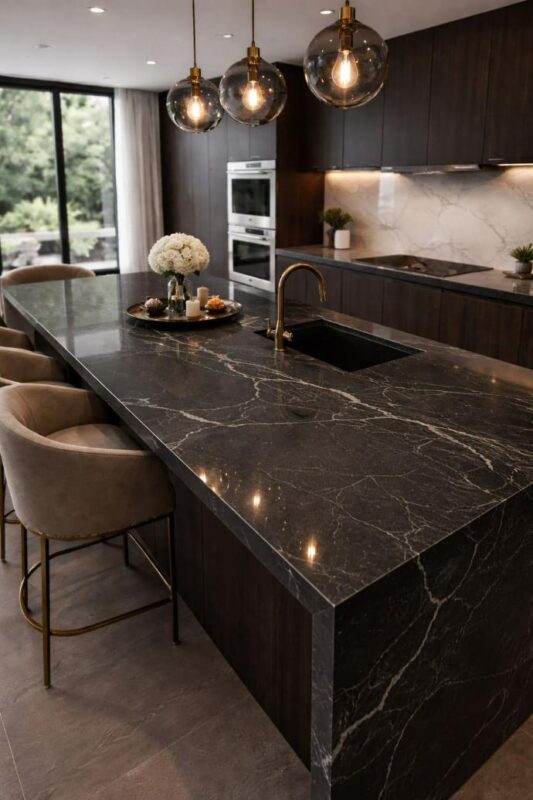
Quartz has become one of the most requested countertop materials in Canadian kitchens and bathrooms, and for good reason. It combines the good looks of natural stone with the consistency and low maintenance of an engineered surface. Before you commit to a slab, though, it helps to understand exactly what quartz is, how it compares to granite and marble, what it costs across Canada, and which details actually matter for a renovation that will last for decades. This guide walks through the essentials so you can shop with confidence.
What Is Quartz?
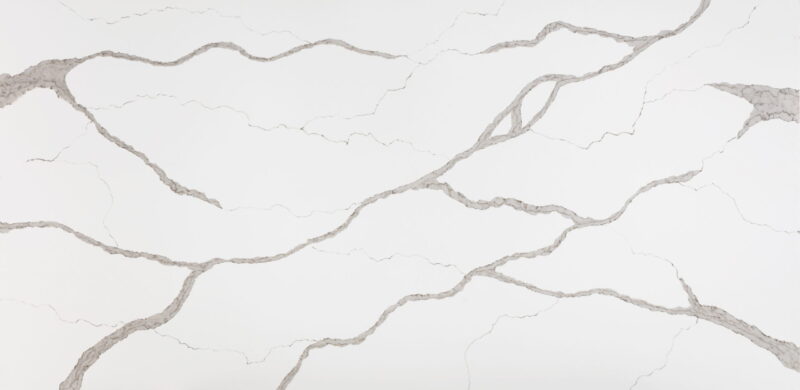
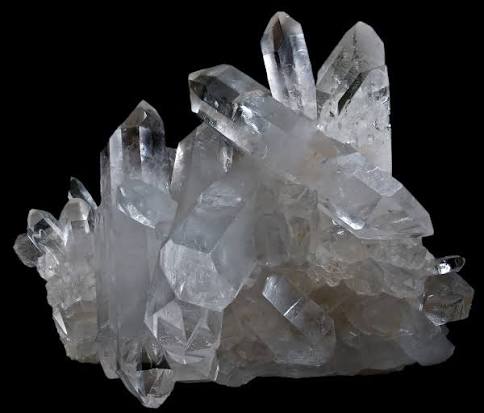
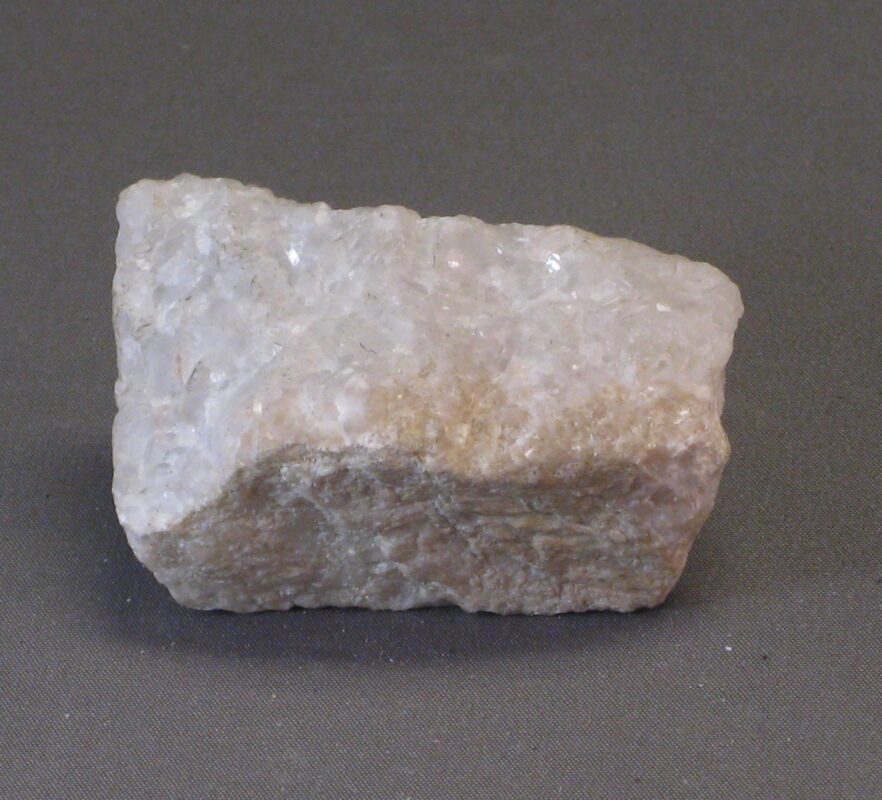
Quartz countertops are an engineered material, not a solid slab cut directly from a quarry. Manufacturers combine roughly 90 to 95 percent ground natural quartz, one of the hardest minerals found in the earth’s crust, with polymer resins and pigments. The mixture is compressed under high pressure and heat, then polished into slabs. This process is why quartz is often described as engineered stone or by brand names such as Vantage Quartz, rather than simply called natural stone.
Because the material is manufactured rather than quarried, every slab in a given batch is far more consistent in color and veining than a natural stone slab. That consistency is one of the main reasons homeowners and designers choose quartz for large kitchen islands or continuous countertop runs where visual matching between pieces is important.
See More: Why Quartz Is the Safest Spec for Multi-Unit Projects
How Quartz Countertops Are Made
The manufacturing process typically follows four stages: crushing and grading the quartz aggregate, blending it with resin binders and color pigments, compacting the mixture under vacuum and vibration to remove air pockets, and curing the slab before cutting it to standard sizes and polishing the surface. Reputable manufacturers test finished slabs against industry benchmarks for scratch resistance, stain resistance, and structural strength, which is part of why quartz has earned a strong reputation for performance in busy kitchens.
Quartz vs Granite vs Marble
Each stone category has strengths. The table below summarizes how quartz compares to the two most common natural stone alternatives in the Canadian market.
| Feature | Quartz | Granite | Marble |
| Composition | Engineered, 90-95% quartz plus resin | Natural stone, quarried | Natural stone, quarried |
| Sealing required | No | Yes, periodically | Yes, periodically |
| Stain resistance | Excellent | Good with sealing | Fair, porous |
| Heat resistance | Moderate, use trivets | Very good | Good |
| Pattern consistency | High, slab to slab | Varies by slab | Varies by slab |
| Typical use | Kitchens, bathrooms, commercial | Kitchens, outdoor counters | Bathrooms, low traffic surfaces |
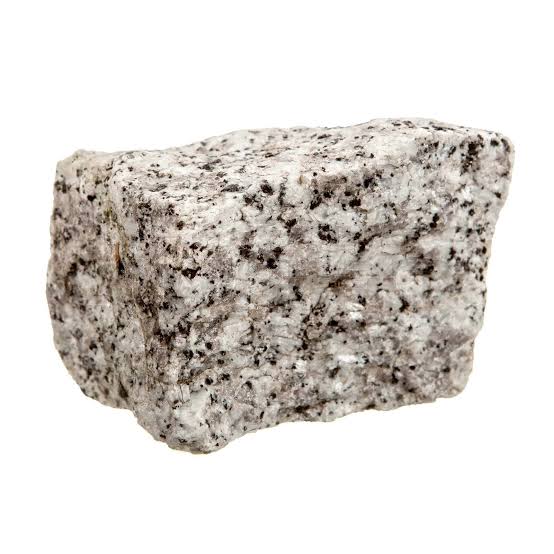
For most Canadian kitchens, quartz offers the easiest long term ownership experience because it does not require sealing and resists everyday spills such as coffee, wine, and tomato sauce. Granite remains a strong choice for homeowners who want a fully natural material and do not mind an annual sealing routine, while marble is best reserved for bathroom vanities or accent surfaces where scratching and staining are less of a concern.
Pros and Cons of Quartz Countertops
Advantages
- Non-porous surface that resists stains without sealing
- Consistent color and pattern across large kitchen projects
- Wide range of colors, including patterns that mimic marble and granite
- Strong resistance to scratches and everyday wear in Canadian households
- Lower long term maintenance cost compared with natural stone
Considerations
- Less heat tolerant than granite, so trivets are recommended for hot pans
- Visible seams are possible on very large islands, depending on layout
- Direct, prolonged outdoor sun exposure can affect resin over many years, so quartz is generally recommended for indoor use
See More: Top 10 Most Beautiful Granite Kitchen Countertops
Quartz Countertop Cost in Canada
Pricing varies by region, edge profile, and collection, but Canadian homeowners can generally expect quartz countertops to run between 65 and 130 CAD per square foot installed, with premium or specialty patterns priced higher. A standard kitchen renovation, including countertops, a sink cutout, and professional installation, often falls in the 3,000 to 7,000 CAD range depending on kitchen size. Getting an itemized quote that separates material cost, fabrication, and installation is the best way to compare suppliers accurately, since bundled pricing can make it difficult to see where the cost differences come from.
| Budgeting Tip for Canadian Renovations
– Ask suppliers whether the quoted price is per square foot of slab purchased or per square foot of finished countertop, since these numbers can differ once offcuts and edge profiles are factored in. – Request pricing in CAD with taxes clearly noted, and confirm whether delivery and template visits are included. – Factor in lead time. Custom fabrication and installation in Canada typically takes two to four weeks from template to install. |
Color and Pattern Options
One of quartz’s biggest advantages is design flexibility. Because pigments are added during manufacturing, quartz collections can replicate the veining of Carrara marble, the speckled texture of granite, or offer solid, minimalist tones for a contemporary kitchen. Vietcan Stone’s collections illustrate this range well. Vantage Quartz focuses on premium marble-look veining for upscale kitchens, CiQ Colors offers a curated palette of solid and subtly textured tones, LQ Color provides budget conscious solid color options for larger projects such as multi-unit developments, and Printed Quartz uses advanced digital printing to achieve realistic natural stone patterns at a more accessible price point.
When choosing a color, consider how the slab will look under your kitchen’s actual lighting, not just under a showroom’s bright display lights. Requesting a physical sample to view at home, in both daylight and evening lighting, remains the most reliable way to avoid surprises after installation.
Durability and Maintenance
Quartz is rated among the hardest common countertop materials, typically scoring 7 on the Mohs hardness scale, which makes it highly resistant to scratching from knives, pots, and daily kitchen activity. Because the surface is non-porous, routine cleaning only requires warm water and a mild dish soap. Harsh alkaline cleaners, bleach in high concentrations, and abrasive scouring pads are not recommended, since they can dull the polished finish over time. Unlike granite or marble, quartz never needs sealing, which removes one of the most commonly forgotten maintenance tasks in natural stone ownership.
Choosing the Right Thickness and Edge Profile
Canadian fabricators most commonly offer quartz in 2 centimeter and 3 centimeter thicknesses. The 3 centimeter option is popular for kitchen islands and waterfall edges because of its substantial, furniture like appearance, while 2 centimeter slabs are lighter and often used with a built up edge to achieve a similar look at a lower material cost. Edge profile options range from a simple eased edge to a bullnose, ogee, or mitered waterfall edge, each affecting both the final price and the overall style of the kitchen.
Installation Process: What to Expect
A typical Canadian quartz countertop project follows a predictable sequence, and knowing the steps in advance helps homeowners plan their renovation timeline realistically.
| Typical Installation Timeline
– Consultation and slab selection, including reviewing collections such as Vantage Quartz or CiQ Colors – In home template measurement once cabinetry is installed, usually one to two weeks before fabrication – Fabrication and cutting at the supplier’s facility, including sink and cooktop cutouts – Delivery and professional installation, typically completed in a single day – Final inspection of seams, edges, and sink fit before sign off |
Common Mistakes to Avoid When Buying Quartz
- Choosing a color from a small sample chip instead of a full size slab or large format sample
- Skipping questions about seam placement on large islands or long runs
- Assuming all quartz brands use the same resin quality and warranty terms
- Overlooking edge profile costs when comparing quotes between suppliers
- Not confirming lead times against a broader renovation schedule, which can delay cabinet or appliance installation
See More: Kitchen Countertop Trends in Canada: A Complete, Practical Design Guide
Frequently Asked Questions
Is quartz better than granite for a Canadian kitchen
Neither material is universally better. Quartz is generally easier to maintain because it does not require sealing, while granite offers slightly better heat resistance and a fully natural appearance. The right choice depends on your priorities around maintenance, budget, and design style.
How long do quartz countertops last
With normal residential use and basic care, quartz countertops commonly last 25 years or more, and many manufacturers back their products with warranties covering 10 to 15 years or longer against manufacturing defects.
Can quartz be used for outdoor kitchens in Canada
Most quartz manufacturers do not recommend standard indoor quartz for uncovered outdoor installations, since prolonged UV exposure can affect the resin over time. Homeowners planning an outdoor kitchen should ask suppliers specifically about UV stable or outdoor rated product lines.
Final Thoughts
Quartz countertops offer Canadian homeowners a practical balance of durability, low maintenance, and design flexibility, making them a dependable choice for kitchens and bathrooms that need to perform well under daily use. Understanding how quartz is made, how it compares to natural stone, and what drives cost will help you evaluate quotes and collections with much more confidence before you sign a contract.
Quartz
Quartz
Quartz
Quartz
Quartz
Quartz
Quartz
Quartz
Quartz
Quartz
Quartz
Quartz 


