
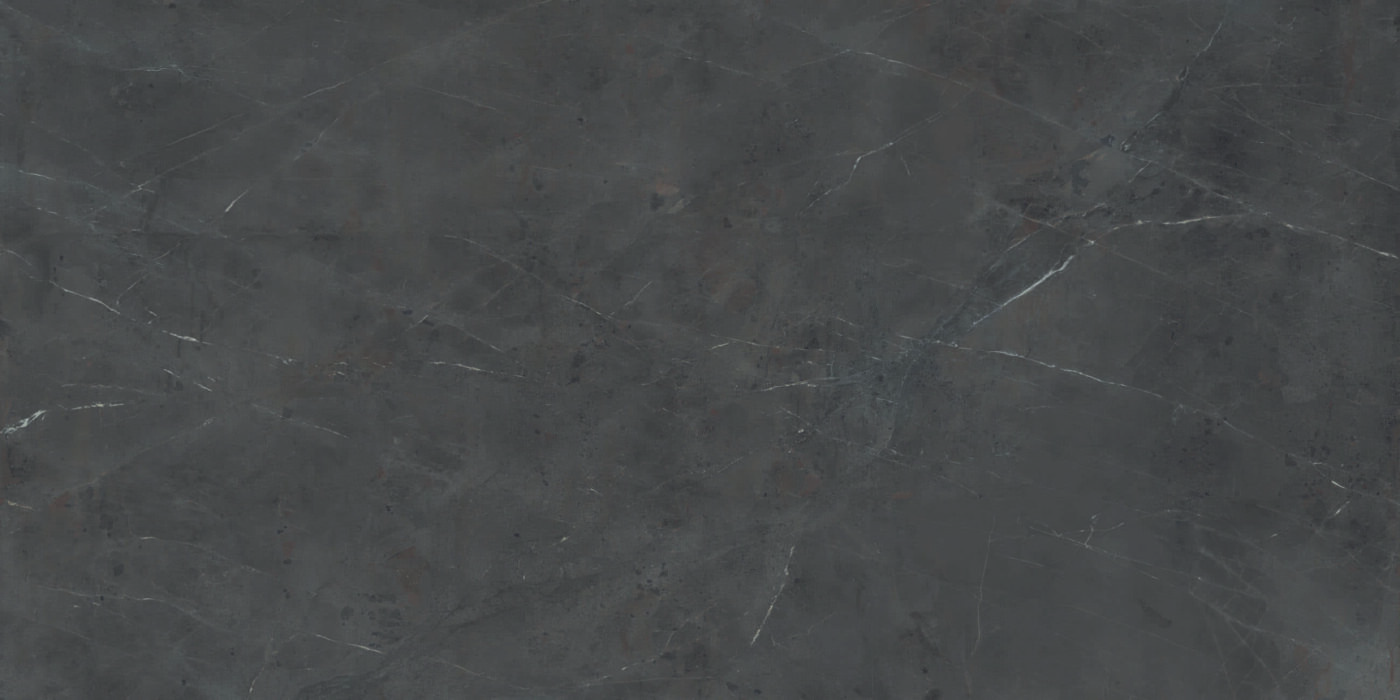
Porcelain slab countertops have moved from a niche European import to one of the most searched countertop materials among Canadian homeowners and designers. Ultra thin, highly resistant to heat and stains, and available in finishes that mimic marble, concrete, and natural stone, porcelain is now a serious alternative to quartz and granite in kitchens, bathrooms, and outdoor living spaces across Toronto, Vancouver, Calgary, and Montreal.
This guide breaks down what porcelain slab countertops actually are, their real advantages and drawbacks, current 2026 pricing in Canadian dollars, and how the material compares to quartz and granite so you can decide whether it is the right fit for your next renovation.
What Are Porcelain Slab Countertops
Porcelain slabs are manufactured by compressing fine clay, feldspar, silica, and mineral pigments under extreme pressure, then firing the material at temperatures above 1200 degrees Celsius. The result is a dense, low porosity slab that is available in large formats, often up to 320 by 160 centimetres, and in thicknesses ranging from 6 millimetres to 20 millimetres.
Unlike quartz, which is engineered from crushed stone bound with resin, porcelain contains no resin at all. This gives it different performance characteristics, particularly around heat resistance and UV stability, which matters for Canadian homeowners who want to extend their countertop material to an outdoor kitchen or covered patio.
Porcelain
Porcelain
Porcelain
Porcelain
Porcelain
Porcelain
Porcelain
Porcelain
Porcelain
Porcelain
Porcelain
Porcelain 


Pros of Porcelain Slab Countertops
Exceptional Heat and Scratch Resistance
Because porcelain is fired at very high temperatures, it can handle direct contact with hot cookware without scorching or discolouring, something quartz cannot do due to its resin content. The surface is also highly resistant to scratching, which makes it a practical choice for busy kitchens.
Low Porosity and Stain Resistance
Porcelain has near zero porosity, so it does not require sealing and resists staining from wine, coffee, oil, and citrus, which are common problem spots for natural stone like marble.
UV Stable for Outdoor Use
Porcelain does not contain resin, so it will not yellow or fade when exposed to direct sunlight over time. This makes it one of the few countertop materials genuinely suited to outdoor kitchens and covered patios in Canadian climates that see intense summer sun.
Wide Design Range
Digital printing technology allows porcelain manufacturers to replicate the veining of Calacatta marble, the texture of concrete, or the look of natural stone at a large scale, with consistent pattern across the full slab, including the edges.
Lightweight Compared to Natural Stone
Thin porcelain slabs weigh significantly less than granite or marble of the same size, which can reduce structural reinforcement needs for large islands or wall cladding projects.
Cons of Porcelain Slab Countertops
Brittle Edges and Fabrication Risk
The same hardness that makes porcelain scratch resistant also makes it brittle. Thin slabs can chip or crack during cutting, edge profiling, or transport if the fabricator lacks specialized diamond tooling and experience with the material.
Limited Fabricator Availability
Porcelain requires different cutting equipment and installation techniques than quartz or granite. In smaller Canadian markets, finding a fabricator with genuine porcelain experience can take longer and may add to project timelines.
Higher Upfront Cost for Premium Finishes
While entry level porcelain can be price competitive with mid range quartz, premium book matched or large format porcelain slabs with realistic marble veining often cost more than comparable quartz.
Visible Seams on Large Islands
Although slabs are available in large formats, oversized islands may still require a seam, and because porcelain is not resin based, seams can be slightly more visible than on quartz.
| Quick Take
Porcelain performs best for homeowners who want a marble look with real world durability, or who are extending their countertop into an outdoor kitchen. It performs less well for budget conscious projects or homes without access to an experienced local fabricator. |
Porcelain Slab Countertop Cost in Canada, 2026
Pricing for porcelain slab countertops in Canada varies by slab grade, thickness, and region, but most 2026 installed projects fall within the ranges below. Prices are shown per square foot, installed, in Canadian dollars, and include standard edge profiling.
| Porcelain Grade | Material Only (CAD/sq ft) | Installed (CAD/sq ft) | Typical Use |
| Entry Level | $45 to $65 | $75 to $95 | Bathroom vanities, small kitchens |
| Mid Range | $65 to $90 | $95 to $130 | Full kitchen counters, islands |
| Premium / Book Matched | $90 to $140+ | $130 to $185+ | Feature walls, luxury islands, outdoor kitchens |
For context, a typical 30 to 40 square foot kitchen countertop project in a mid size Canadian city, using mid range porcelain with standard edge detailing, generally lands between 3,500 and 5,500 Canadian dollars installed, before sink and cooktop cutouts.
What Affects the Final Price
- Slab thickness: 12mm and 20mm slabs cost more than 6mm due to extra material and reinforced fabrication.
- Edge profile: mitred or waterfall edges require more labour than a standard eased edge.
- Pattern matching: book matched veining across an island adds cost due to slab yield loss.
- Cutouts: sink, cooktop, and outlet cutouts are typically priced separately by the fabricator.
- Region: material and labour costs in Vancouver and Toronto tend to run higher than in smaller Canadian markets.
Porcelain vs Quartz vs Granite
Choosing between porcelain, quartz, and granite depends on how you use your kitchen, your budget, and whether the surface will see direct sun or extreme heat.
| Feature | Porcelain | Quartz | Granite |
| Heat resistance | Excellent | Moderate, resin can scorch | Very good |
| Scratch resistance | Excellent | Very good | Good |
| Stain resistance | Excellent, non porous | Very good | Good, needs sealing |
| UV / outdoor use | Excellent | Poor, resin fades | Good |
| Weight | Light | Heavy | Heaviest |
| Typical CAD cost, installed | $75 to $185+ / sq ft | $65 to $140 / sq ft | $55 to $130 / sq ft |
| Fabrication difficulty | High, specialized tools | Moderate | Moderate |
Quartz remains the most consistently priced and widely fabricated option for Canadian kitchens, which is why it continues to be a top recommendation for most indoor renovation projects. Granite offers proven natural durability at a lower cost point, though it does require periodic sealing. Porcelain earns its place for homeowners specifically prioritizing heat resistance, a marble aesthetic, or an indoor to outdoor design.
Maintenance and Care
One of the strongest arguments for porcelain is how little maintenance it requires compared to natural stone.
- No sealing required, ever, due to near zero porosity.
- Clean with mild soap and water or a standard non abrasive kitchen cleaner.
- Use a cutting board even though the surface resists scratching, to protect knife edges rather than the counter.
- Avoid dropping heavy or sharp objects directly on unsupported overhangs, since impact, not scratching, is the main risk to porcelain.
- Wipe up strongly pigmented spills such as turmeric or red wine promptly, as with any countertop surface.
Best Applications for Porcelain Slabs
Kitchens
Porcelain performs well as a full kitchen countertop, particularly around cooktops and ovens where heat resistance matters most.
Bathrooms
Porcelain vanity tops resist the humidity, toiletries, and product staining common in Canadian bathrooms, and can be matched with porcelain wall cladding for a seamless look.
Outdoor Kitchens and Patios
Because porcelain does not fade or degrade under UV exposure, it is one of the few materials suited to Canadian backyard kitchens and covered outdoor entertaining spaces that face direct summer sun.
Choosing a Fabricator for Porcelain Installation
Because porcelain fabrication differs from quartz and granite, the installer matters as much as the material. Before hiring a fabricator for a porcelain project, ask the following:
- Do you have specialized diamond blade equipment rated for porcelain slabs.
- Can you show photos or references from previous porcelain installations.
- How do you handle slab transport and edge reinforcement to reduce chip risk.
- What warranty do you offer on fabrication, separate from the manufacturer material warranty.
Frequently Asked Questions
Is porcelain more durable than quartz for kitchen countertops?
Porcelain is more heat and UV resistant than quartz, but quartz is generally more impact resistant and less prone to chipping at the edges. Durability depends on which type of wear matters most in your kitchen.
Does porcelain countertop cost more than granite in Canada?
Entry level porcelain is often price comparable to mid range granite, but premium book matched porcelain slabs typically cost more per square foot installed than most granite options.
Can porcelain slabs be used outdoors in a Canadian climate?
Yes. Porcelain resists UV fading and does not degrade from freeze thaw cycles the way some sealants on natural stone can, making it a strong option for covered outdoor kitchens.
Do porcelain countertops need to be sealed?
No. Porcelain has near zero porosity and does not require sealing, unlike granite and marble.
Are porcelain slabs harder to install than quartz?
Yes, generally. Porcelain requires specialized cutting tools and more careful handling due to its brittleness at thin dimensions, so it is important to hire a fabricator with specific porcelain experience.
| Considering Porcelain Slab Countertops for Your Home
Vietcan Stone supplies premium porcelain, quartz, and natural stone slabs to homeowners, designers, and contractors across Canada. Our team can help you compare materials, review slab samples, and connect with a trusted fabricator in your area. Visit vietcanstone.com to browse slab options and request a quote today. |