
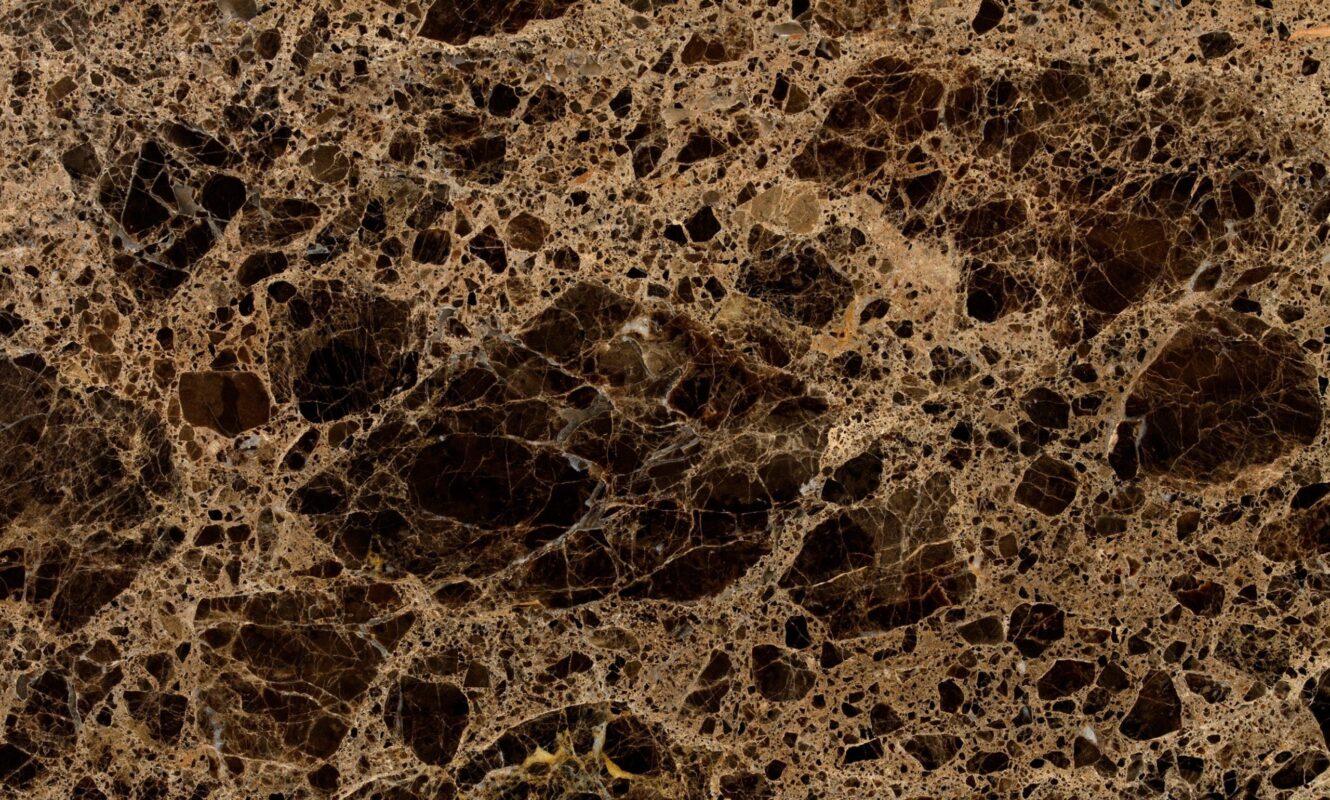
Marble has been a symbol of luxury, sophistication, and timeless elegance for thousands of years. From the halls of ancient Rome to the sleek interiors of modern penthouses, marble surfaces continue to captivate homeowners, architects, and designers worldwide. Yet, despite its legendary beauty, marble is a surprisingly delicate material that demands consistent, knowledgeable care to preserve its appearance over time.
If you have invested in marble countertops, flooring, bathroom tiles, or decorative surfaces, you already know the value of protecting that investment. But do you know exactly how to clean and maintain marble correctly — without accidentally causing more harm than good?
This comprehensive guide brings together expert advice, industry best practices, and practical step-by-step instructions to help you maintain your marble surfaces in pristine condition for decades. Whether you are a first-time marble owner or looking to refine your existing care routine, this is the only guide you will need.
1. Understanding Marble: What Makes It Special (and Sensitive)
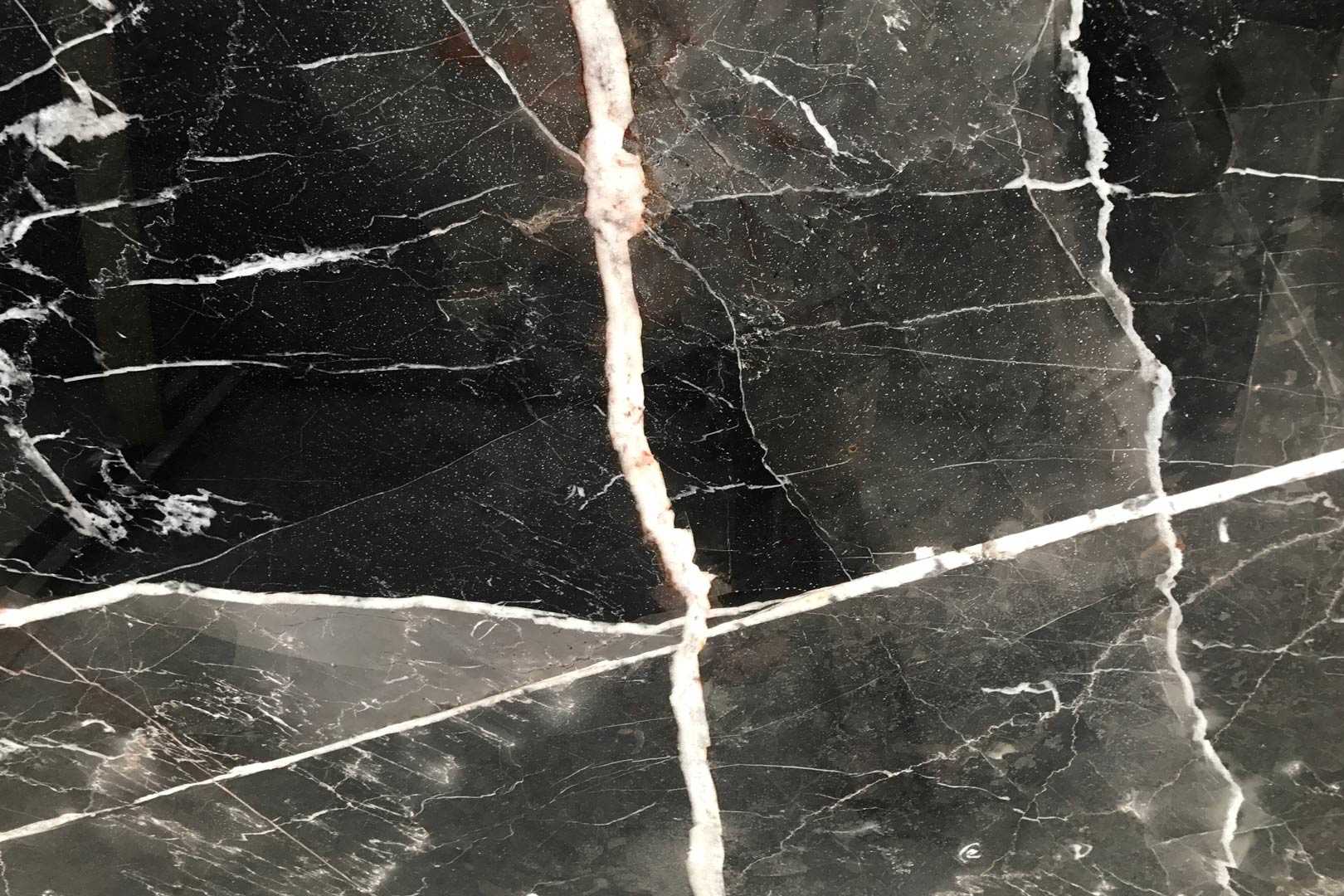
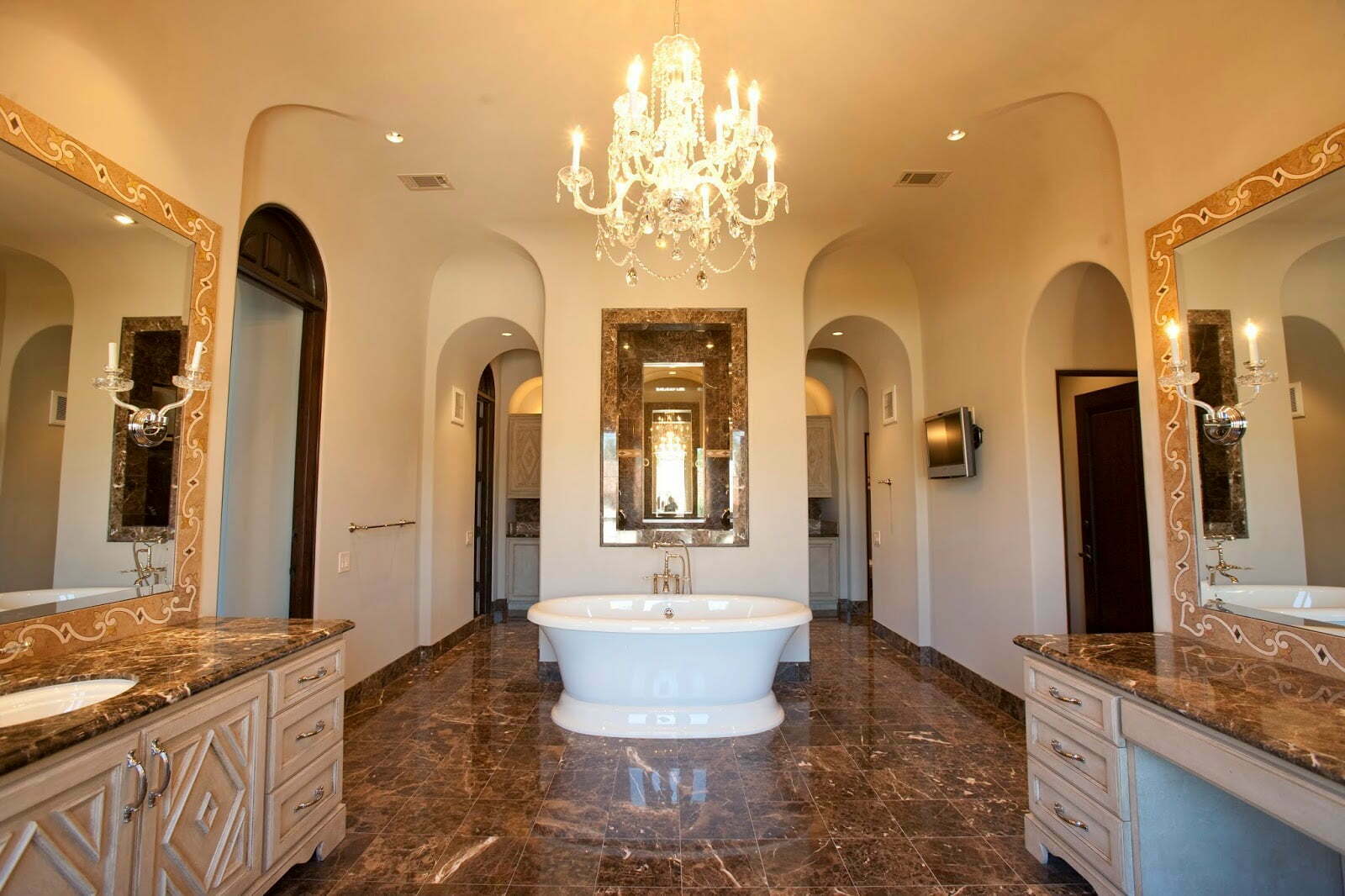
Before diving into cleaning methods, it is essential to understand what marble is and why it behaves the way it does. Marble is a metamorphic rock formed from limestone under intense heat and pressure over millions of years. The result is a dense, crystalline stone with distinctive veining patterns — each slab uniquely beautiful and entirely one-of-a-kind.
However, marble is primarily composed of calcium carbonate (CaCO3), the same compound found in chalk and shells. This chemical composition gives marble its elegant white base and translucent quality — but it also makes it highly reactive to acidic substances. Even a small splash of lemon juice, vinegar, or certain cleaning products can cause etching: a dull, whitish mark on the surface where the acid has chemically reacted with the stone.
Understanding this vulnerability is the foundation of all good marble care. Every cleaning decision you make should be guided by the question: will this harm the calcium carbonate in my stone?
Key Physical Properties of Marble
| Property | Details | Implication for Care |
| Porosity | Low to moderate | Absorbs liquids if unsealed |
| pH Sensitivity | Highly reactive to acids | Avoid acidic cleaners |
| Hardness (Mohs) | 3 – 4 out of 10 | Scratches relatively easily |
| Thermal Sensitivity | Moderate | Avoid extreme temperature shocks |
| Finish Types | Polished, honed, brushed | Each requires slightly different care |
==> View our premium marble collection
2. Essential Tools and Cleaning Products for Marble
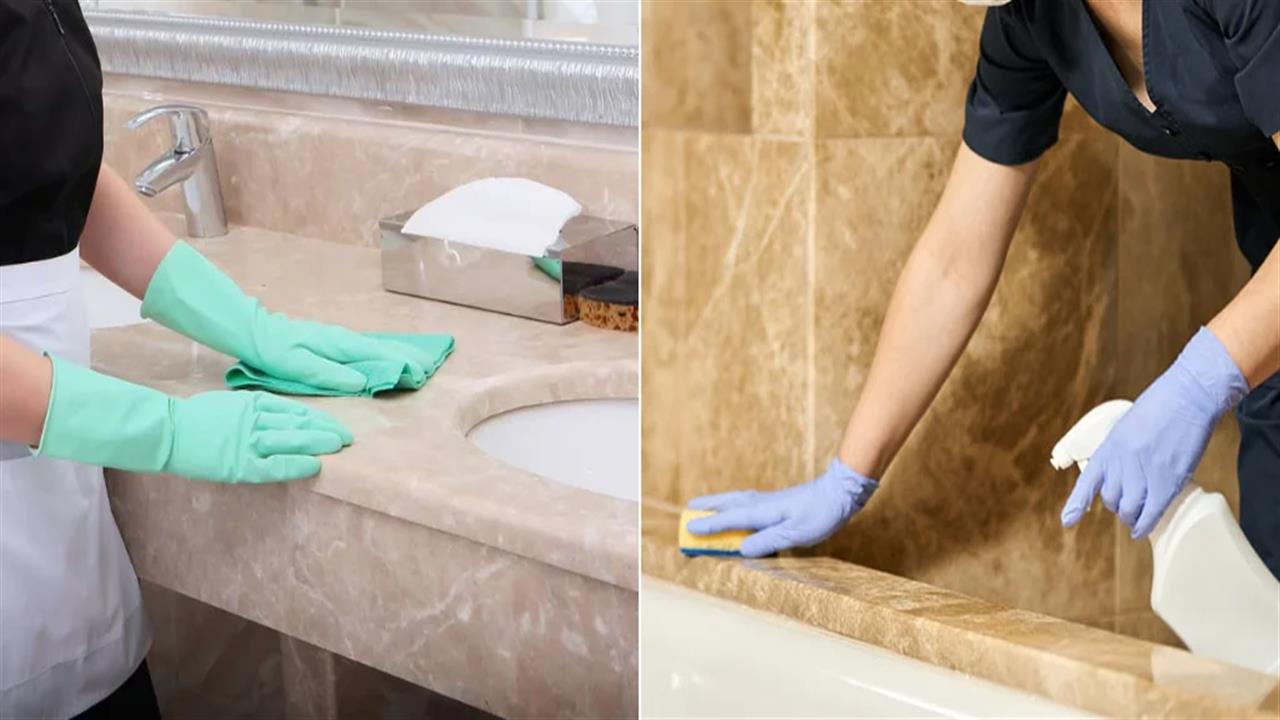
Using the right tools and products is half the battle when it comes to marble maintenance. Many common household cleaners are far too harsh for marble surfaces. Here is a comprehensive overview of what you need — and what you absolutely must avoid.
What You Should Always Have on Hand
| Recommended Tools & Products |
| ✓ pH-neutral stone cleaner (specifically formulated for natural stone) |
| ✓ Soft microfiber cloths or chamois leather for wiping |
| ✓ Soft-bristle brush (for grout lines and textured surfaces) |
| ✓ Marble-safe impregnating sealer (apply every 1–2 years) |
| ✓ Distilled or filtered water (tap water can leave mineral deposits) |
| ✓ Marble polishing powder or cream for restoring shine |
| ✓ Rubber gloves to protect your hands during cleaning |
| ✓ Stone-specific stain remover poultice for deep stains |
What to Avoid Completely
The following products will cause immediate or cumulative damage to marble surfaces and should never be used under any circumstances:
- Vinegar, lemon juice, or any citrus-based cleaners (highly acidic)
- Bleach or chlorine-based products — they etch and discolor marble
- Ammonia-based cleaners, including many glass cleaners
- Hydrogen peroxide on colored or dark marble
- Abrasive scrub pads, steel wool, or scouring powders
- Generic all-purpose bathroom or kitchen sprays not tested on natural stone
- Steam mops (excess heat and moisture can damage sealant and stone)
See More: Quartz vs. Marble: Which Belongs in Your Kitchen?
3. Daily & Weekly Marble Cleaning Routine
The key to preserving marble long-term is consistency in your everyday cleaning habits. Marble responds well to gentle, regular care — and suffers from neglect or improper cleaning far more than most other materials.
Daily Care (Takes Just 2–3 Minutes)
Step 1 — Dry Dusting: Use a dry, soft microfiber cloth or a dust mop to sweep away loose dirt, dust, and grit from the surface. Even small abrasive particles can scratch polished marble when walked on or wiped with a damp cloth.
Step 2 — Wipe Spills Immediately: This is non-negotiable. Any liquid left on marble — even plain water — can penetrate the surface if it sits long enough. For acidic liquids like wine, juice, or coffee, every second counts. Blot (never rub) the spill using a clean, dry cloth.
Step 3 — Light Damp Wipe: For areas with light daily use, a quick wipe with a damp microfiber cloth is sufficient. Follow up with a dry cloth to remove any residual moisture.
Weekly Deep Cleaning
Once a week, your marble surfaces deserve a more thorough cleaning using a dedicated pH-neutral stone cleaner. Follow these steps for best results:
- Mix the stone cleaner with warm water according to the product instructions.
- Apply the solution to the marble surface using a soft cloth or mop.
- Work in small sections, gently scrubbing in circular motions.
- Rinse thoroughly with clean water to remove all cleaning residue.
- Dry immediately and completely using a clean microfiber cloth.
- Buff with a dry chamois for extra shine on polished surfaces.
4. How to Remove Common Stains from Marble
Despite your best efforts, stains will happen. The good news is that most marble stains can be successfully removed if you act quickly and use the right method. The approach varies depending on the stain type.
Stain Removal Guide by Type
| Stain Type | Cause | Recommended Treatment |
| Oil-based | Grease, butter, cooking oils | Apply cornstarch, let sit 10 min, brush off. Follow with pH-neutral cleaner. |
| Organic | Coffee, tea, wine, fruit | Hydrogen peroxide (on white marble only) + a few drops of ammonia. Blot, don’t rub. |
| Rust | Metal objects, water with iron | Use a commercial rust remover formulated for natural stone. Avoid DIY bleach methods. |
| Water rings | Hard water mineral deposits | Buff gently with marble polishing cream. Re-seal the area after treatment. |
| Ink / Dye | Pen marks, colored liquids | Use rubbing alcohol on a cotton ball. Dab carefully, then clean with stone cleaner. |
| Etch marks | Acid contact (lemon, vinegar) | Light etching: polish with marble polishing powder. Deep etching: professional refinishing needed. |
Using a Poultice for Deep Stains
For stains that have penetrated deep into the marble, a poultice is the most effective treatment. A poultice is a paste made from an absorbent material (like diatomaceous earth, baking soda, or commercial stone poultice powder) mixed with a cleaning chemical appropriate to the stain type. The paste is applied to the stain, covered with plastic wrap, and left for 24–48 hours. As the poultice dries, it draws the stain out of the stone. This process may need to be repeated two to three times for very deep stains.
See More: 5 Things You Should Know About Onyx Countertops
5. Sealing Marble: Your Most Important Protective Step
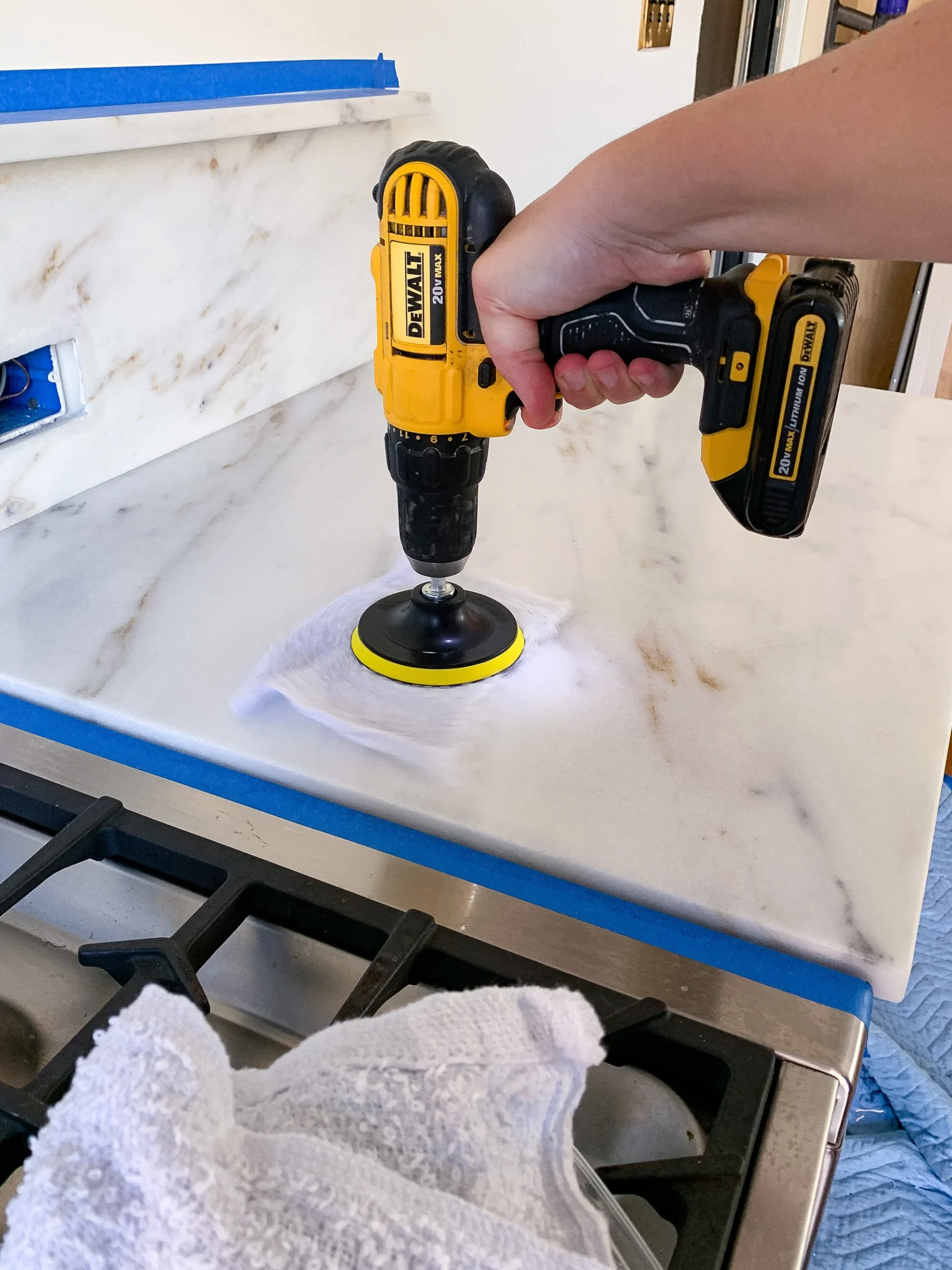
If there is one maintenance task that has the greatest impact on your marble’s longevity, it is sealing. A quality sealer penetrates into the pores of the stone, creating an invisible barrier that slows down the absorption of liquids and reduces the risk of staining. Without sealing, marble is far more vulnerable to everyday use.
How Often Should You Seal Marble?
The frequency depends on the type of marble, its finish, and how much traffic or use it receives. As a general guideline:
- Polished marble countertops in kitchens: every 6–12 months
- Bathroom marble surfaces with moderate use: every 12 months
- Marble floors in high-traffic areas: every 6 months
- Decorative or low-use marble pieces: every 2–3 years
A simple water test can tell you when your marble needs re-sealing: place a few drops of water on the surface. If the water beads up, the sealer is still effective. If it soaks in and darkens the stone within a few minutes, it is time to reseal.
Step-by-Step Sealing Process
- Clean the marble surface thoroughly and allow it to dry completely (at least 24 hours after cleaning).
- Apply the impregnating sealer evenly using a clean, soft cloth or applicator pad.
- Allow the sealer to absorb for the time specified by the manufacturer (typically 10–20 minutes).
- Wipe away any excess sealer before it dries on the surface, as dried excess can leave a hazy film.
- Allow the sealer to cure fully — usually 24–48 hours — before using the surface.
- Apply a second coat if the surface is highly porous or newly installed.
See More: 6 Tips To Choosing The Right Quartz Kitchen Countertops
6. Do’s and Don’ts: The Golden Rules of Marble Care
Years of working with marble at Vietcan Stone have taught us that most marble damage comes from just a handful of avoidable mistakes. Here is a clear summary of the rules every marble owner should follow:
| ✓ DO’s — Best Practices | ✗ DON’Ts — Common Mistakes |
| ✓ Use only pH-neutral stone cleaners | ✗ Never use vinegar, lemon, or acidic cleaners |
| ✓ Blot spills immediately with a soft cloth | ✗ Never use bleach or ammonia-based products |
| ✓ Use coasters under glasses and bottles | ✗ Never use abrasive scrub pads or steel wool |
| ✓ Place felt pads under decorative items | ✗ Never drag furniture across marble floors |
| ✓ Use cutting boards in the kitchen | ✗ Never use steam mops on marble |
| ✓ Seal marble regularly (every 6–12 months) | ✗ Never leave spills sitting — even water |
| ✓ Use doormats to reduce grit tracking | ✗ Never use generic all-purpose sprays |
| ✓ Dry the surface thoroughly after cleaning | ✗ Never apply wax over sealed marble |
| ✓ Hire a professional for deep restoration | ✗ Never ignore early signs of etching or damage |
7. Marble Maintenance by Room & Application
Marble behaves differently depending on where and how it is installed. Here is tailored advice for each common application:
Marble Countertops (Kitchen & Bathroom)
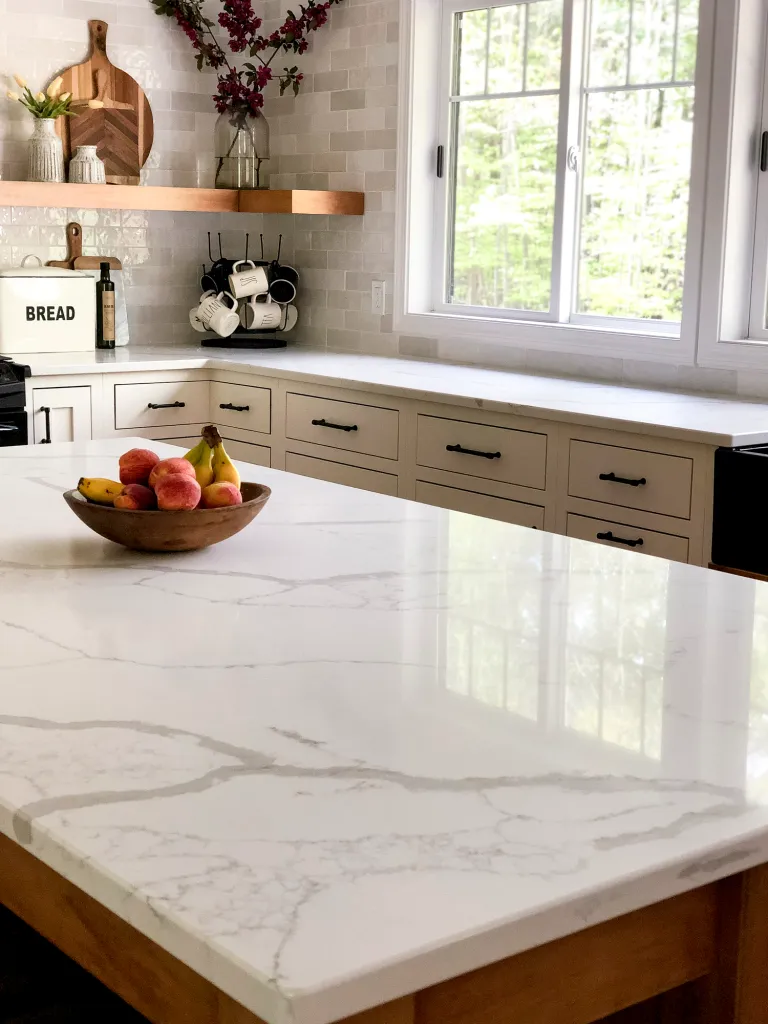
Kitchen marble countertops are perhaps the most demanding application because they are exposed to acidic foods, cooking oils, and heat on a daily basis. Always use a cutting board — never cut directly on marble. Wipe spills instantly, especially acidic substances like tomato sauce, citrus juice, or vinegar. In bathrooms, hair care products, perfumes, and cosmetics can all cause etching if left in contact with the stone. Keep product bottles on trays to prevent ring stains.
Marble Flooring

Marble floors are particularly vulnerable to grit and sand, which act like sandpaper underfoot and gradually scratch and dull the polished surface. Place quality doormats at all entrances, and never use a rotating brush vacuum directly on polished marble — use a soft-head vacuum or dry dust mop instead. In high-traffic commercial settings, consider a professional maintenance program with quarterly buffing and annual sealing.
Marble Shower Walls & Floors

The biggest enemy of marble in showers is hard water — the mineral deposits left behind as water evaporates. These calcium and magnesium deposits accumulate over time, creating a chalky film that is difficult to remove without resorting to acidic cleaners (which would damage the marble). Use a squeegee or microfiber cloth to wipe down shower walls after every use. Apply a water-repellent stone sealer more frequently in shower applications — every 3–6 months is recommended.
Marble Fireplace Surrounds
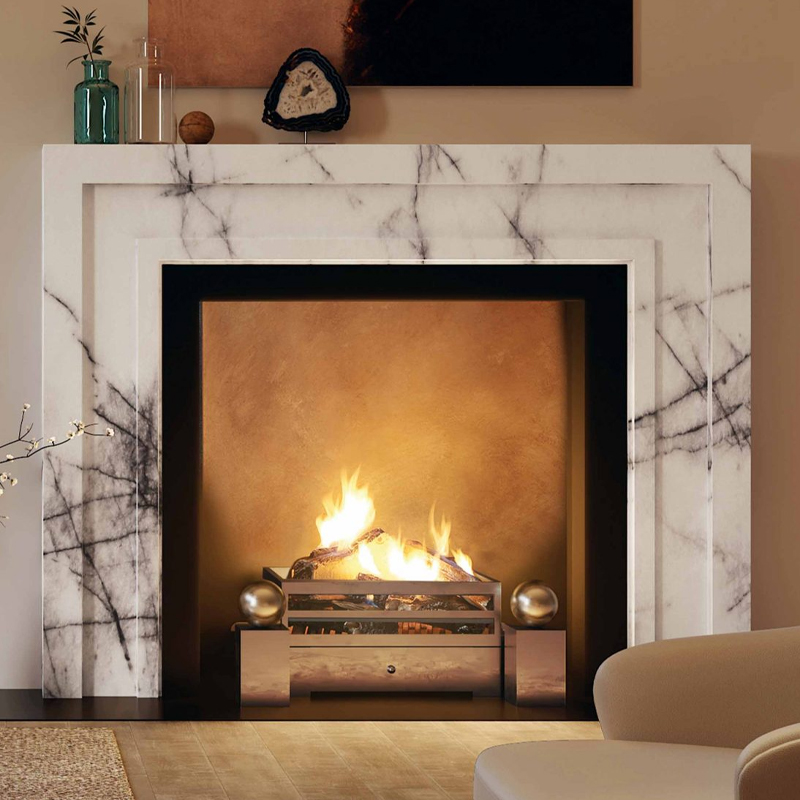
Fireplace marble is exposed to heat, smoke, and ash — all of which can stain or discolor the surface over time. Clean the surround regularly with a dry cloth to remove soot and dust. For more thorough cleaning, use a pH-neutral stone cleaner diluted with water. Avoid applying sealer to areas directly exposed to high heat, as the temperature can cause it to break down unevenly.
See More: Kitchen Countertop Trends in Canada: A Complete, Practical Design Guide
8. Seasonal and Long-Term Marble Care Schedule
Structured maintenance prevents problems before they start. Use this seasonal care schedule to keep your marble looking its best throughout the year:
| Frequency | Tasks |
| Daily | Dry dust surfaces; blot spills immediately; wipe high-use surfaces with damp cloth; dry thoroughly. |
| Weekly | Full surface clean with pH-neutral stone cleaner; buff with chamois cloth; inspect for early staining or etching. |
| Monthly | Deep clean grout lines; check sealant condition (water bead test); treat any stains using appropriate poultice method. |
| Every 6–12 months | Re-apply impregnating sealer on countertops and high-traffic floors; schedule professional polishing if shine has diminished. |
| Every 2–3 years | Professional assessment and refinishing; deep honing if scratches are present; full reseal of all marble surfaces. |
9. When to Call a Professional
While regular DIY maintenance can prevent most problems, some marble issues genuinely require professional intervention. Attempting to fix these yourself without the right equipment can make things significantly worse.
| Signs You Need Professional Stone Care |
| ✓ Deep etching that cannot be resolved with polishing powder |
| ✓ Widespread scratches or dull patches on polished marble floors |
| ✓ Cracks, chips, or structural damage to marble tiles or slabs |
| ✓ Persistent stains that have not responded to poultice treatments |
| ✓ Grout failure or lifting tiles in marble-tiled areas |
| ✓ Efflorescence (white powdery deposits) appearing on the surface |
| ✓ A hazy or cloudy appearance across large sections of the stone |
| ✓ Preparation for a major renovation or resale — restore marble to its best condition |
Professional stone restorers use industrial diamond grinding pads, professional-grade honing machines, and commercial-strength sealers to achieve results that simply cannot be replicated at home. For significant investments like marble flooring or statement countertops, professional care every two to three years is a worthwhile investment that dramatically extends the life and beauty of the stone.
See More: What Is Granite? Properties, Uses & Benefits
10. Choosing the Right Marble for Low-Maintenance Living
If you are planning a new installation or renovation, your choice of marble type and finish can significantly affect how easy it is to maintain. Not all marble is equally demanding — and choosing wisely from the start can save you years of extra effort.
Marble Finish Comparison
The finish of your marble has a major impact on both its aesthetic and its maintenance requirements:
Polished Finish: The most popular choice for countertops and feature walls. Polished marble has a high-gloss, mirror-like surface that beautifully showcases the stone’s veining. However, it shows etching and scratches most visibly and requires the most consistent care.
Honed Finish: A matte or satin surface with a softer appearance. Honed marble is less likely to show scratches and etching, making it more forgiving for kitchen and bathroom use. It does require more frequent sealing, however, as the open surface is more porous.
Brushed or Aged Finish: A textured surface with a rustic quality. Very forgiving and excellent at hiding everyday wear. Ideal for outdoor applications and high-traffic floors.
Best Marble Types for Durability
Some marble varieties are naturally denser and less porous than others, making them better suited to demanding environments. Calacatta marble and Statuario are particularly prized for both their appearance and relative durability compared to softer varieties like Arabescato. When consulting with your stone supplier — such as the team at Vietcan Stone — always ask about the porosity rating and appropriate use cases for any marble you are considering.
Frequently Asked Questions (FAQ)
Can I use dish soap to clean marble?
Technically, plain dish soap (not anti-bacterial or citrus-scented) is less harmful than acidic cleaners, but it can leave a residue that dulls the surface over time. It is far better to invest in a dedicated pH-neutral stone cleaner designed specifically for marble.
How do I remove hard water stains from marble?
Hard water deposits can be carefully removed using a marble-safe limescale remover or a poultice made from diatomaceous earth and distilled water. Never use vinegar or commercial limescale removers not rated for natural stone, as these are highly acidic and will etch the marble.
Is marble suitable for kitchen countertops?
Yes, but it requires diligent care. Marble kitchen countertops are beautiful and heat-tolerant to a degree, but they need immediate spill cleanup, regular sealing, and the acceptance that over time, they may develop a naturally aged patina from use. Many homeowners find this patina adds character. For those who prefer a consistently pristine surface, a honed finish is more forgiving than polished in kitchens.
How do I know if my marble has been properly sealed?
Perform the water test: place a few drops of water on the surface and watch what happens over 5–10 minutes. If the water beads and sits on the surface, your sealer is effective. If the water absorbs into the stone and creates a dark spot, it is time to reseal.
Can etching be repaired?
Yes — light etching can often be polished out using a marble polishing powder applied with a soft cloth using circular motions. Deeper etching requires professional refinishing with diamond abrasive pads. The sooner you address etching, the easier and less expensive the repair.
Conclusion: Marble That Lasts a Lifetime
Marble is not just a building material — it is a living, breathing surface with a character that evolves over time when cared for properly. With the right knowledge, tools, and routine, your marble surfaces can remain breathtakingly beautiful for generations.
The principles are simple: keep it clean with the right products, protect it from acids and abrasives, seal it regularly, address stains quickly, and call a professional when the situation calls for it. Follow these guidelines consistently, and your marble will reward you with decades of timeless elegance.
If you are ready to take the next step — whether sourcing new marble, planning a renovation, or getting expert advice on caring for your existing surfaces — the team at Vietcan Stone is here to help.
TRUST VIETCAN STONE FOR YOUR MARBLE NEEDS
With over a decade of experience in natural stone supply and installation, Vietcan Stone is Canada trusted partner for premium marble solutions. Our team of stone care specialists is ready to guide you on proper cleaning, maintenance, and restoration.